
Why Am I Hardstuck in Overwatch? How to Diagnose a Ranked Plateau
A plateau tells you something is holding you back, not what. Here is how to find the one situation that keeps ending the same way, and fix that instead of grinding.
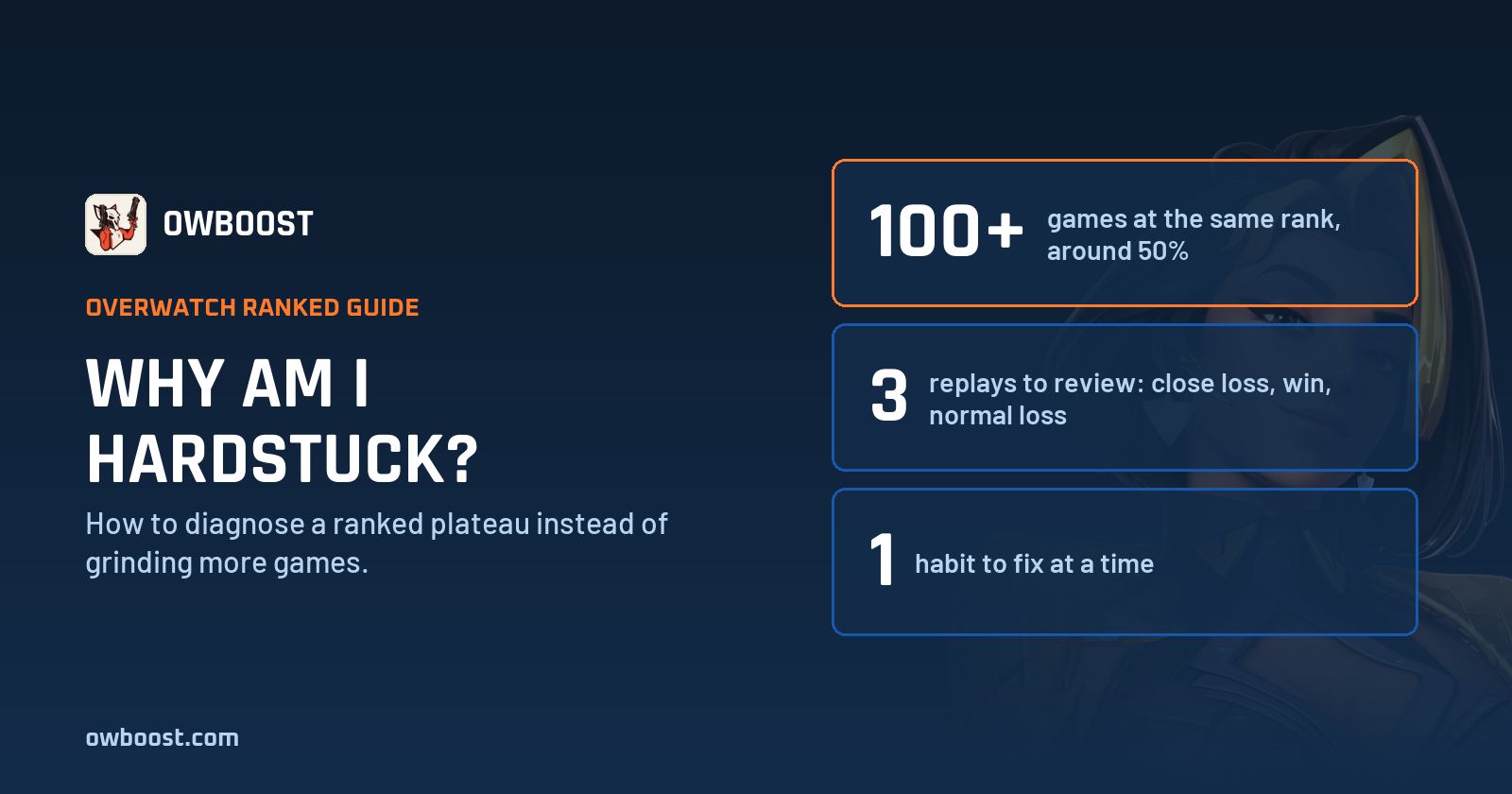
Real hardstuck looks like this: 100+ games in one tier, a win rate that keeps snapping back to 50%, and the feeling you are doing everything right. A plateau is a result, not a diagnosis. It says something limits you. It does not say whether that is aim, timing, positioning or just too few games. Finding out which is the whole job.
- Under ~50 games in one role, you cannot tell a plateau from noise.
- Diagnose from three replays (close loss, win, normal loss), not your worst game.
- Fix one observable habit at a time and judge sessions by it, not by rank.
Step 1: Prove You’re Actually Stuck
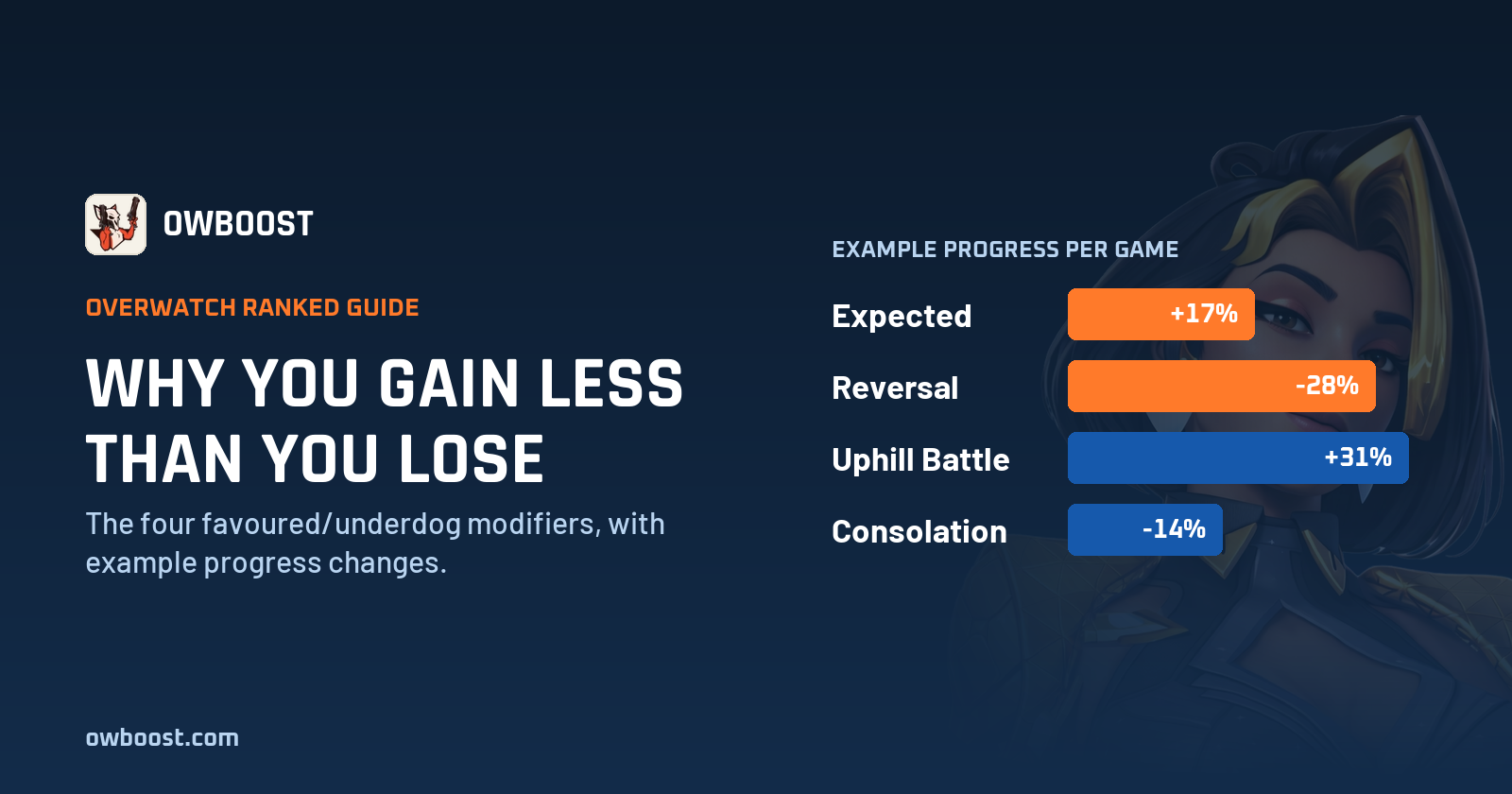
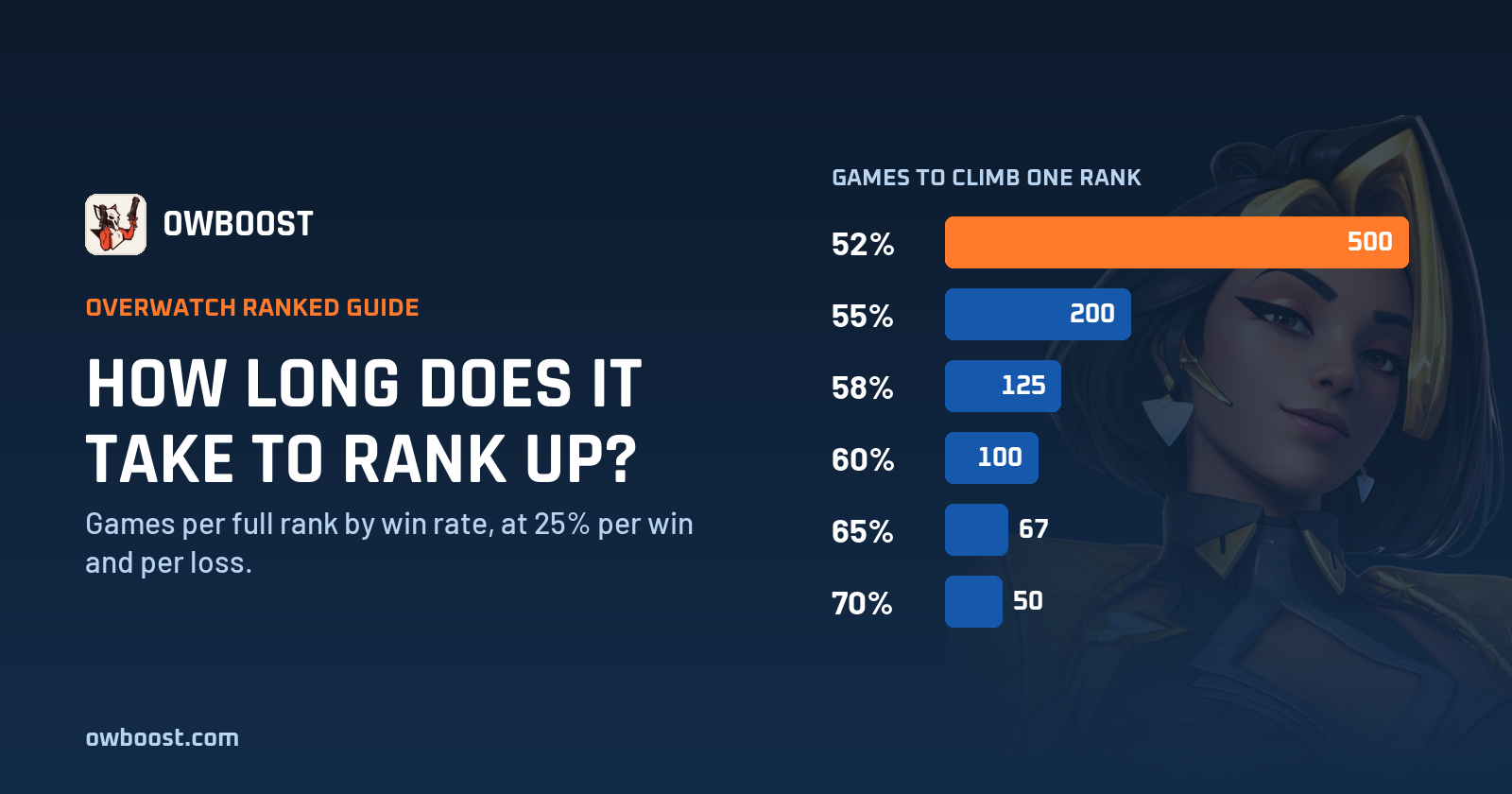
Twenty games is a good week or a bad week. That is the law of large numbers at work. Also check two things: uneven gains mean your rank is being corrected (see why you gain less than you lose), and a slow climb is not a stuck one (see how long it takes to rank up).
100 games, even gains, 50% win rate? You have found your current level. More games played the same way will not move it.
The Only Constant in Your 100 Games
Some games really are lost by someone else. But over 100 games, throwers, leavers and wrong-map one-tricks spread evenly over both teams. The one player in all 100 is you. Blaming teammates is the textbook fundamental attribution error. That is not a reason for guilt. It is the most useful fact you have, because you are the one part you can change.
Step 2: Three Replays, Not Your Worst Game
The game that makes you want to post a rant is the least useful one: stomps are decided by things you did not control. Pick these instead from the Replays tab in your Career Profile (they vanish after a patch, so watch them soon):
- A close loss, with clear turning points.
- A win, to see the same mistakes when your team covers for them.
- A normal loss. Typical, not the worst.
Step 3: Hunt Patterns, Not Missed Shots
A missed shot is an event. Taking the same exposed angle every fight is a pattern, and patterns keep you at a rank. Pause where you die and ask: which situation keeps ending the same way for me?
| Role | Common repeat offender |
|---|---|
| Tank | Engaging before supports can reach you, or spending mobility to get in with nothing left to get out |
| Damage | Taking an off-angle before anyone has applied pressure, so you are the first target |
| Support | Burning your escape early, so it is gone when the real dive arrives |
Focus on the first ten seconds of each fight. They usually decide the next thirty.
“I rarely die, so I’m playing well.”
Low deaths can mean smart play, or that you were never close enough to matter. If your team keeps losing four against five while you survive, check whether you were in the fight.
“I know the concepts, so that’s not my problem.”
Knowing high ground and taking it at the right moment under pressure are different skills. If you can explain it but your replay shows you not doing it, that is your fix.
“My main is my strongest option.”
Mechanically, maybe. But comfort hides habits: you stop questioning what you do on a hero you have hundreds of hours on.
Step 4: Fix One Thing, Write It Down
Fixing aim, comms, positioning and hero pool at once means you cannot tell what worked. This is basic deliberate practice: one specific target, feedback, repeat. Make the target visible in a replay:
- Not “position better”, but “I don’t pass the choke before my tank.”
- Not “track cooldowns”, but “I don’t dive the Ana until sleep is used.”
- Not “survive more”, but “I keep my escape until someone commits on me.”
| Worksheet | Example |
|---|---|
| Recurring situation | I die first in fights on attack |
| Evidence | 4 of 6 fights, 2 of 5, 5 of 7 across three replays |
| Habit to practise | Take high ground only after the tank engages |
| Check | Count first deaths in my next three replays |
| Review date | Two weeks from today |
Which of these is a usable practice goal?
- Get better at game sense
- Win more fights
- Don’t use Lúcio’s wall-ride to leave the team in the first 10 seconds of a fight
- Play like a Grandmaster
Only the third can be checked in a replay. Goals you cannot observe cannot be practised.
What Doesn’t Fix a Plateau
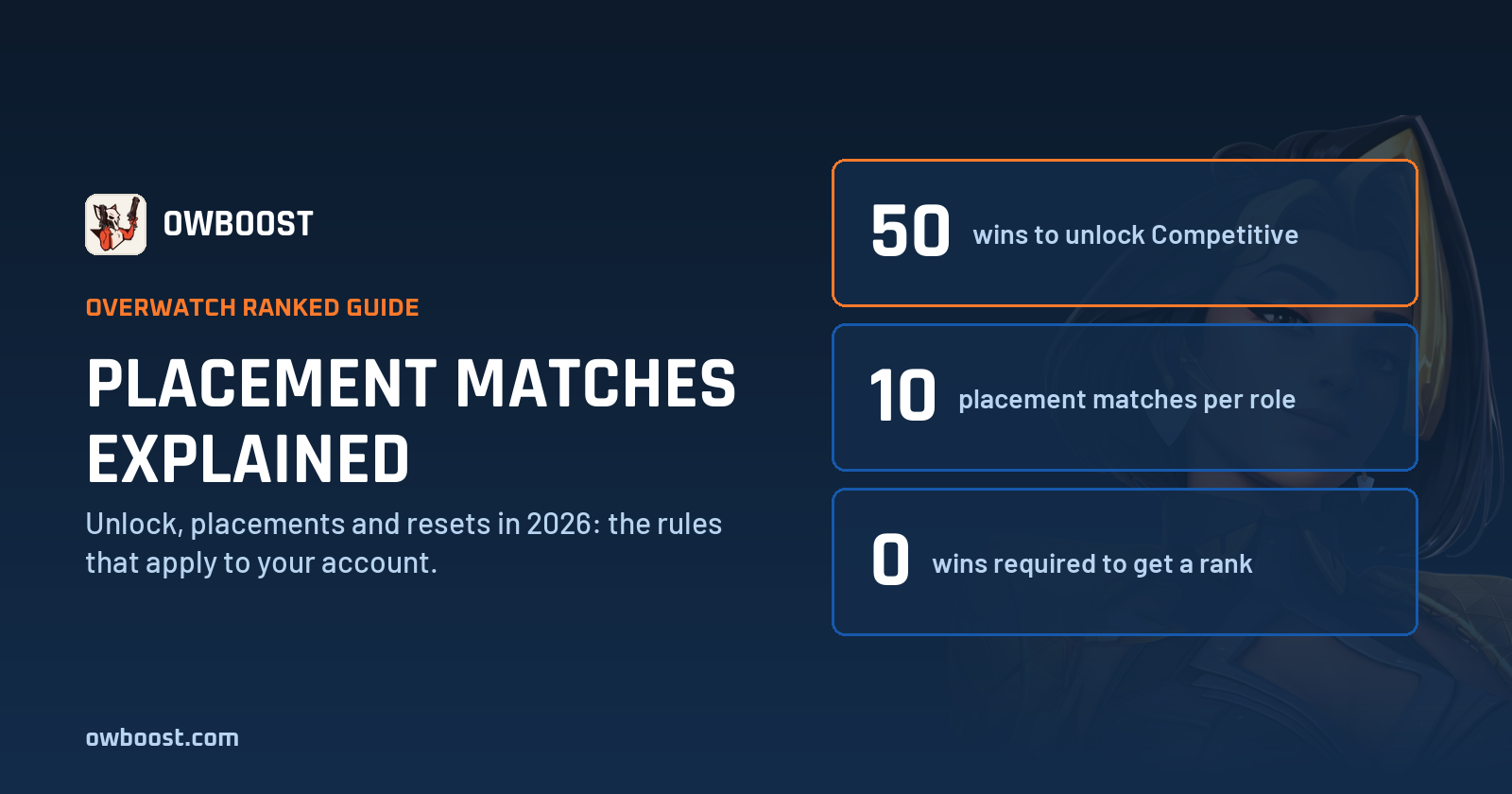
- A new account. 50 wins to unlock, same habits.
- Grinding through tilt. A frustrated fourth game is rarely your best.
- Swapping to the meta pick you have barely played.
- Waiting for better teammates. They are already in your games, on both sides.
You cannot see the mistakes you do not know you are making. That is what coaching is for: a Grandmaster or Top 500 coach reviews your replays and hands you a written plan. Prefer to just get past the wall? Rank boosting or duo boosting gets you there.
FAQ
What does hardstuck mean in Overwatch?
Same rank over 100+ games in one role, around 50% with even gains. You have reached your current level and need to change how you play to climb.
Is it my teammates?
In single games, sometimes. Over 100 games, bad teammates land on both teams equally. You are the only constant.
Should I switch roles?
Only if another role genuinely holds a higher rank for you. Switching to escape a plateau usually starts a new one.
How long does it take to get unstuck?
One clear habit shows up in replays within a couple of weeks. Rank follows once enough habits change.
- Wikipedia: Law of large numbers, why 20 games prove little.
- Wikipedia: Fundamental attribution error.
- Wikipedia: Deliberate practice.
- Overwatch Wiki: Competitive Play, separate role ranks and rank updates.
- Blizzard patch notes, May 2026: 50-win unlock for new accounts.